


Hass Avocado – RTE
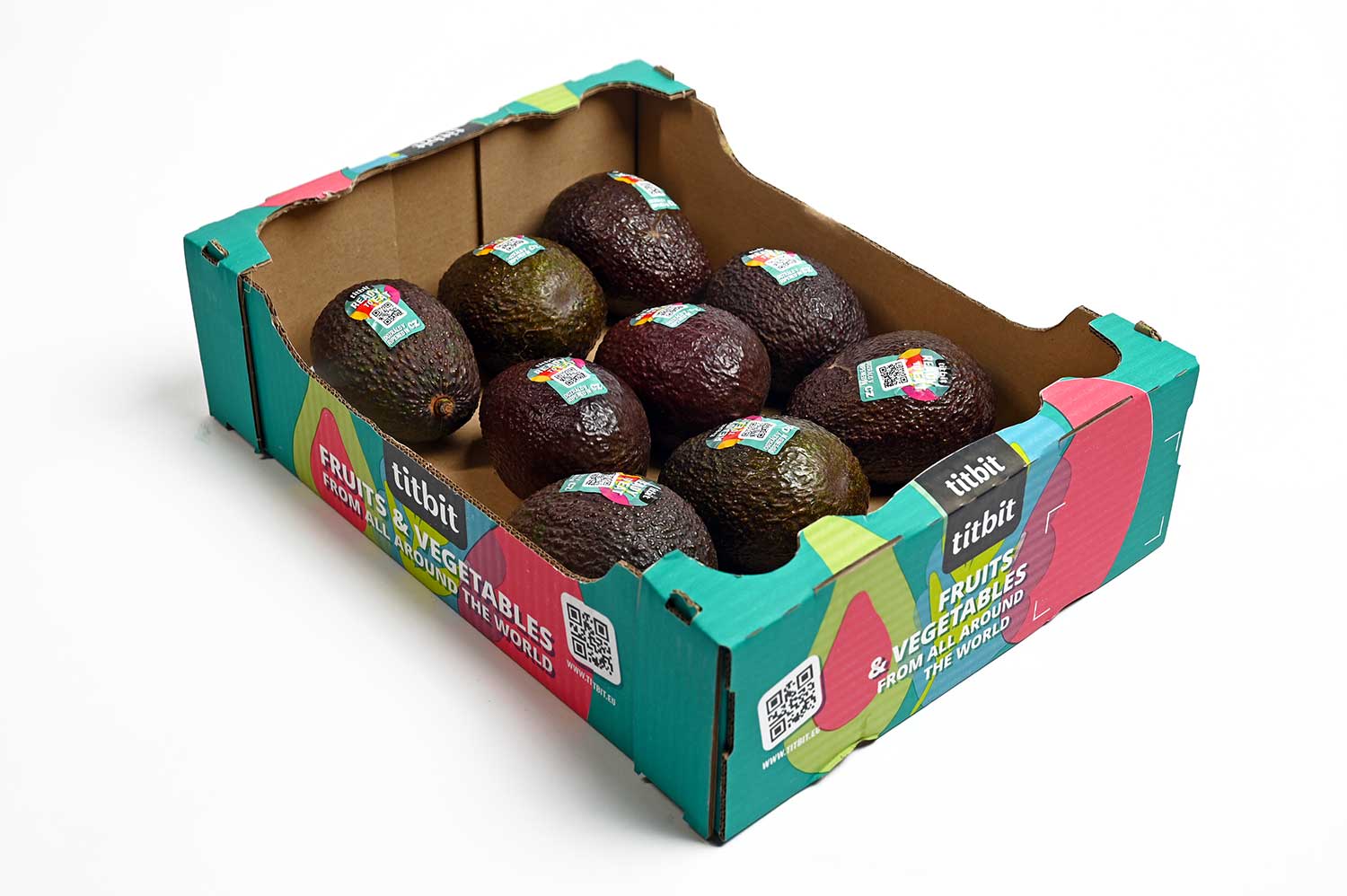
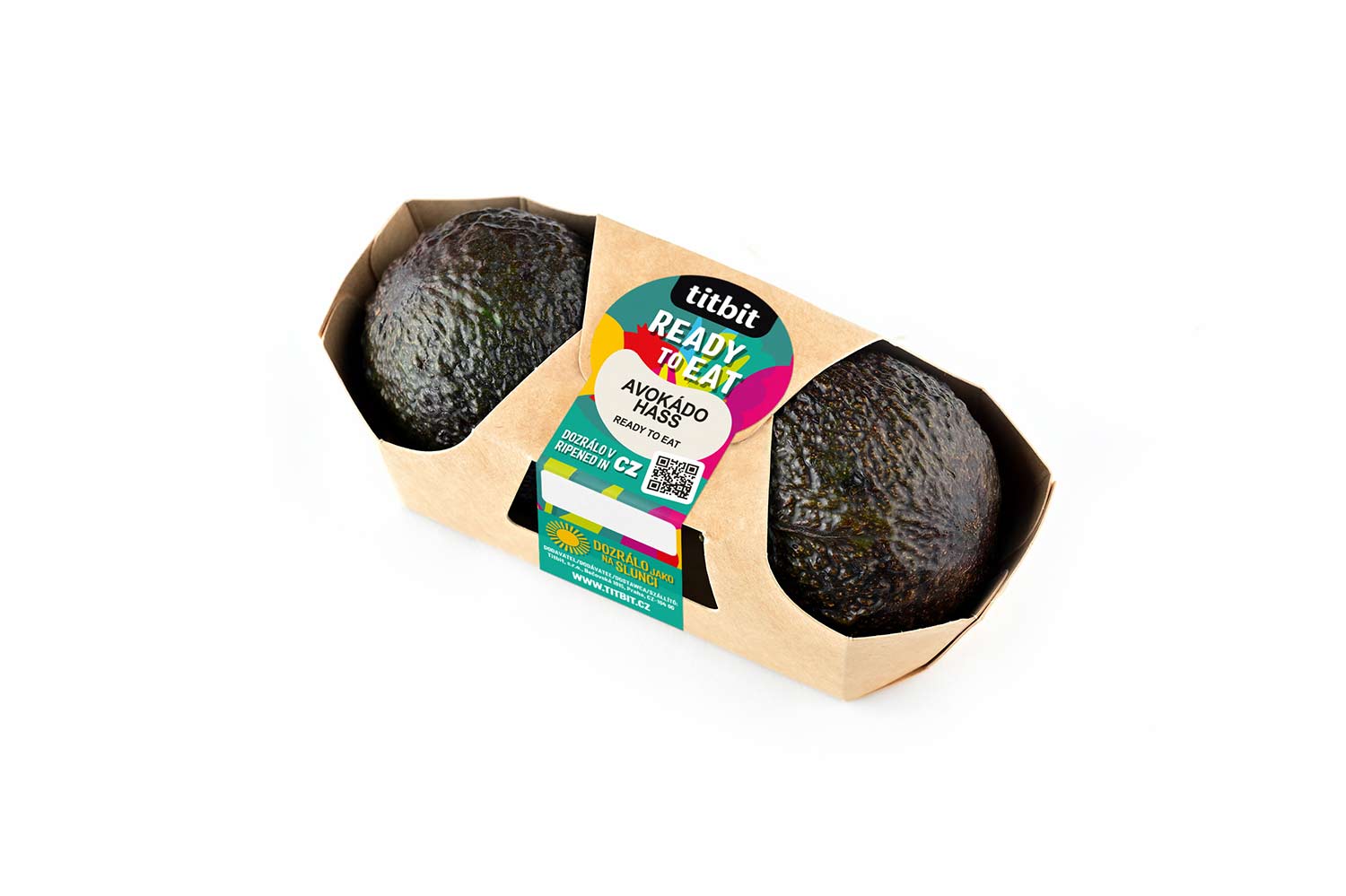
We supply the market with perfectly ripe, ready-to-eat Hass avocados, which we ripen in our own ripening chambers.


Product line


Packaging
- Twinpack
- Loose
Availability by month
- 1
- 2
- 3
- 4
- 5
- 6
- 7
- 8
- 9
- 10
- 11
- 12
Buy in stores


buy in e-shops

Related products and ingredients


cooperation
Are you interested in our product line?
Would you like to know our prices, try some samples, or take a tour of our facility?
We supply restaurants and hotels
Orders 24 hours a day
- Delivery to most cities in the Czech Republic—call +420 608 217 567
The Hass avocado is the most cultivated species worldwide. It resembles an egg in shape and its skin is dark with characteristic bumps (warty skin). It is therefore often nicknamed the toad. It can be found in two stages of ripening – green and up to purple-black. Perfectly ripe avocados can be hidden in the refrigerator for a few days and thus slow down the ripening process.
The fruits of the Hass variety, which is best suited for ripening, are characterized by a high content of oil, vitamin K, potassium, as well as other vitamins and minerals.
The fruit is cut lengthwise with a sharp knife and the stone is removed. The pulp is scooped out with a spoon and it is good to drizzle it with lemon juice as soon as possible, otherwise it will turn gray and bitter.
Thanks to its creamy flesh, ripe avocados are best suited for salads as well as for various spreads, dips or other delicacies. It is also delicious just cut into thin slices as an alternative to butter for fresh pastries.
Avocados are for quick consumption, store prepared dishes at the bottom of the refrigerator for a maximum of 4 days.
Avocados are often referred to as a superfruit, even though many think they are a vegetable. Scientific research has shown that eating one avocado a day can lower unhealthy cholesterol levels in the body as well as some medications.
The oldest found seeds of wild avocados are approximately 7 thousand years old. A few thousand years later, these plants were cultivated and the found avocado fruits, which are about 2.5 thousand years old, are already similar to those we know today. The first use of avocados can be recorded in 291 BC in Mexico. The Aztecs used avocados as an aphrodisiac. The spread of avocados to the world was then taken care of by Christian colonizers in the 17th century. Avocados – the fruit of the delicious pear tree – comes from the center of South America, requires a subtropical climate for its healthy development and does not tolerate cold weather and frost. The Spanish imported avocados to the West Indies, the Canary Islands and some islands in the Atlantic. Large plantations for growing avocados were also established at the beginning of the 20th century in California, and in Europe we can find it in Spain and Greece, for example.
Avocados are rich in protein, vitamins A, B1, B2, B6, C and E. They also have plenty of minerals, especially iron, copper, calcium, phosphorus and potassium. The green fruit contains omega-3 fatty acids and a lot of lecithin, which lowers cholesterol levels and improves memory.
This pear-shaped fruit has as much fiber as one slice of whole-wheat bread. It also provides one-third of the recommended dose of folic acid. Avocados are excellent for skin problems, stress and heart disease.


