


Tamarind
Product line

Packaging
- Loose
Availability by month
- 1
- 2
- 3
- 4
- 5
- 6
- 7
- 8
- 9
- 10
- 11
- 12
Related products and ingredients

cooperation
Are you interested in our product line?
Would you like to know our prices, try some samples, or take a tour of our facility?
We supply restaurants and hotels
Orders 24 hours a day
- Delivery to most cities in the Czech Republic—call +420 608 217 567
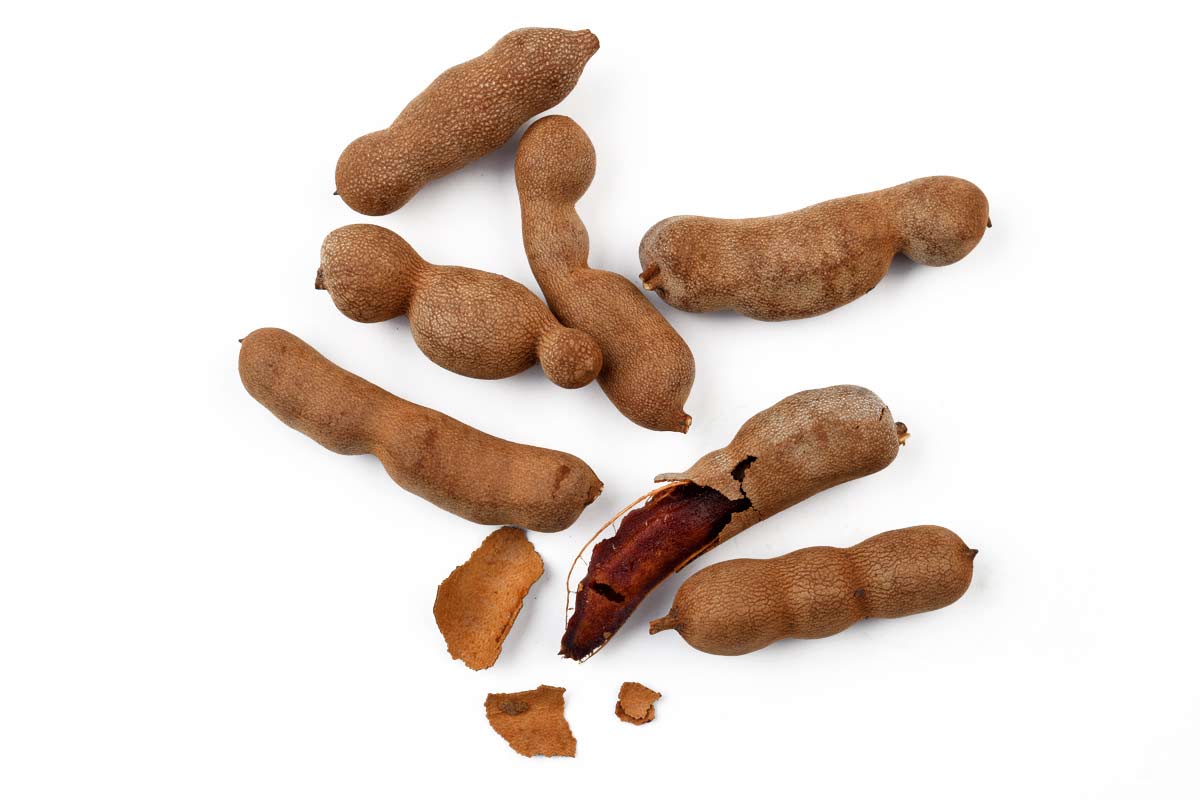
Up to 20 cm long pod-shaped fruits with a fragile, light brown to cinnamon brown matte rough skin – shell.
The pod can contain up to 10 seeds wrapped in dark reddish-brown pulp of a dense gooey consistency, similar to dried dates or figs, with a sweet and sour taste reminiscent of plum jam. Sour varieties of tamarind are mostly used to flavor dishes, sweet forms are consumed as fresh fruit.
Sour tamarind
It is used to make drinks, marmalades, sauces, chewing tobacco and syrups. It is added to desserts, but also to meat dishes, especially Asian and Latin American cuisine, often in the form of a sweet and sour sauce similar to soy sauce, or fresh as a seasoning. It is used to flavor various types of Indian chutneys and is added to classic Indian or Thai rice and meat dishes or soups. Young leaves and pods serve as vegetables, the sour flesh of young pods is added to hot dishes. The seeds are boiled or roasted and used as an ingredient in coffee.
Sweet tamarind
The fruits are significantly sweeter and more pleasant in taste, they are eaten mostly fresh, or used to prepare sweet sauces for desserts and meats.
The pulp of tamarind consists of 35% sugar and 20% organic acids. It is also used as a natural laxative.
Native to tropical East Africa. It is grown mainly in India and tropical areas. It was known as early as the 4th century BC to the ancient Greeks and Egyptians. It is often called Indian or sour date.