


Lovage

Product line



Packaging
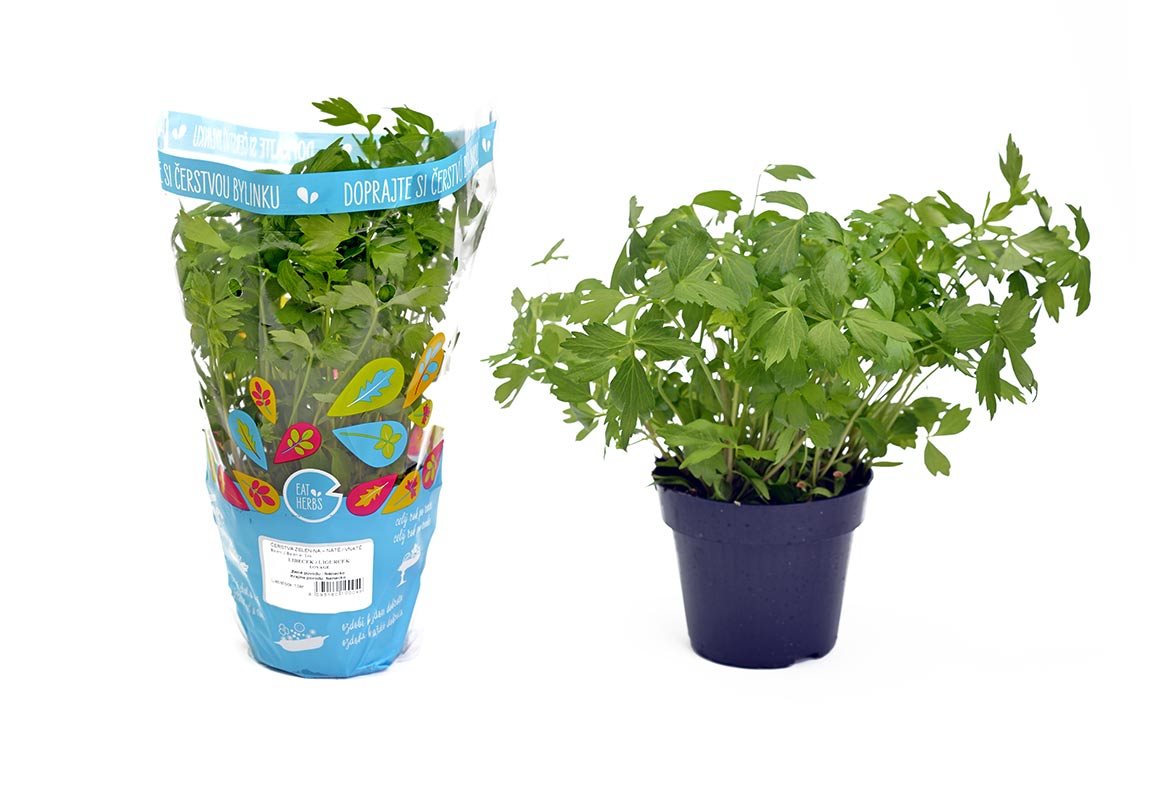
- Flowpack 30 g
- Flowpack 100 g
- Květináč 12 cm
Availability by month
- 1
- 2
- 3
- 4
- 5
- 6
- 7
- 8
- 9
- 10
- 11
- 12
Related products and ingredients

cooperation
Are you interested in our product line?
Would you like to know our prices, try some samples, or take a tour of our facility?
We supply restaurants and hotels
Orders 24 hours a day
- Delivery to most cities in the Czech Republic—call +420 608 217 567
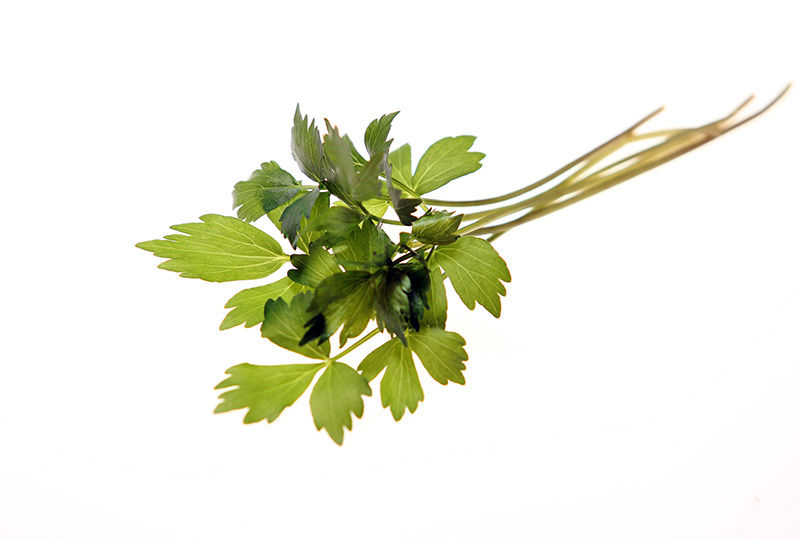
Lovage is one of the robust representatives of the myrtle family. It overwinters thanks to the rhizome, which is also used both in the kitchen and in medicine. Lovage grows up to 2 m and its plants multiply very quickly in the garden. The stem is very strong, older stems are hollow and grooved. The leaves are dark green, glossy on the face, two to three times pinnate, they can be petiolate or sessile. On the leaves, the veins from the reverse and from the face are quite visible. The edges of the leaves are jagged. The flower is a compound perianth of light yellow color, which shoots out from June to August. The fruit of lovage is an elliptical-shaped achene with small wings, which grows very well in our country. The aroma of lovage is very distinct, reminiscent of celery.
Lovage is an important soup spice and was part of the original maggi recipe. It is suitable for sauces, salads, various types of meat and fish. It also adds an interesting taste to legumes, potatoes and spreads. It is no exception to its use in goulash and roasted meat. Because it contains quite a lot of aromatic substances, it needs to be dosed carefully. It is also good to combine it with more distinctive foods so that it does not completely drown out the main ingredients. The advantage is that thanks to its high content of essential oils, we can put it in food at the beginning of cooking, unlike most other herbs.
Although lovage lasts a very long time in the refrigerator, other preservation methods are also widely used. It can be successfully dried with flowing air, frozen or pickled in salt.
In addition to fresh leaves, other parts of the plant can also be used in gastronomy. Lovage seeds are added to liqueurs, bread and other baked goods. They can also be used in salads, rice and mashed potatoes.
The stem can be stewed and served with white sauce. Young stems are also candied or eaten raw, poured with vinegar and oil.
The rhizome and root are suitable, for example, in soup as a root vegetable.
Lovage probably comes from southern Europe and is now commonly grown throughout the temperate zone. The green parts of the plant contain vitamin C and a large amount of essential oil, which supports appetite. In medicine, it is mainly used from the roots and rhizomes as a diuretic (diuretic effect). All parts of the plant can be used to prepare an infusion that counteracts rheumatism and removes waste products from the body. Lovage is not suitable for consumption during pregnancy. In the past, lovage leaves were put in shoes to refresh tired feet. In the inn, a stray pilgrim could then have a refreshing drink made of lovage and yarrow. It was also grown in monastery herbal gardens, where it found application both in the kitchen, in medicine and in homemade liqueurs.