


Eggplant
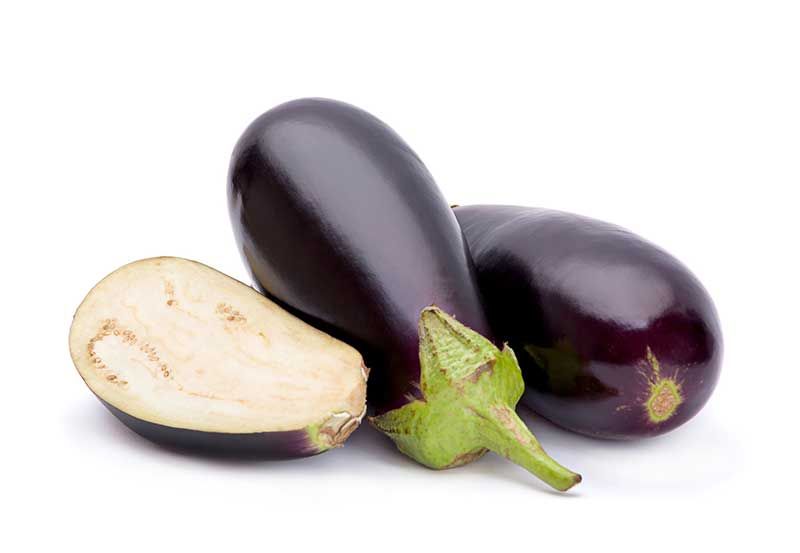
Eggplant aka eggplant, eggplant or eggplant is a plant from the eggplant family. Its fruit is the fruit of the same name, which is mistaken for a vege...
Show full description
Product line


Availability
On request
cooperation
Are you interested in our product line?
Would you like to know our prices, try some samples, or take a tour of our facility?
We supply restaurants and hotels
Orders 24 hours a day
- Delivery to most cities in the Czech Republic—call +420 608 217 567
Eggplant aka eggplant, eggplant or eggplant is a plant from the eggplant family. Its fruit is the fruit of the same name, which is mistaken for a vegetable. It is traditionally used mainly in Mediterranean, Balkan, Turkish and North African cuisine. In Ancient Greece, it was believed that excessive consumption of eggplant would deprive a person of his sanity. That is why he was called the apple of fools. But then it was discovered that if you do not eat raw, but cooked, everything is fine. Heat not only gets rid of the bitterness of the flesh, but also decomposes the poisonous solanine.
Eggplant is eaten whole, including the purple skin, only the green cap is removed from it. Although the skin can sometimes be tough, do not remove it, at least if the recipe does not explicitly call for it - it is under it that the most valuable substances are hidden.
Eggplants are usually left to sweat before cooking. First, it is necessary to lightly salt it, and when it is dewy, wipe it dry. "Eggplants are allowed to sweat to get rid of water and bitterness. Due to its porous structure, this also prevents oil from soaking into it," explains Sofie Smith, chef of the Sexy Curry Company restaurant. There are many ways to prepare eggplant. These usually vary depending on where in the world you order this delicacy. The most common are marinating, grilling, baking or frying. In Arabic cuisine, stuffed baked eggplants or a paste of baked eggplants called baba ganush are common. This is prepared similarly to hummus, only instead of chickpeas, peeled roasted eggplant is added. The spread can be finely blended or contain finely chopped balcagan. "Eggplant has a wide range of uses in the kitchen, but it is also delicious simply grilled with olive oil, herbs – such as parsley or oregano – garlic or chili peppers," adds the chef.
In Greece, eggplant is often used in a traditional dish called moussaka, where it is combined with potatoes and minced meat. France, on the other hand, has taken a liking to the method of preparation in the style of ratatouille, which is the name for a mixed vegetable dish. In addition to eggplant, it also includes tomatoes, garlic, zucchini, onions, zucchini and spices. In Serbia, it is represented by ajvar – a traditional pickle in which the slightly smoky taste of eggplant is mixed with red peppers, garlic and chilli. Ajvar is usually prepared from the last harvest of eggplants and canned.
Its documented origin dates back to the Middle Ages. For the first time, it was imported by merchants to the Mediterranean and the Balkans, probably from China, Burma or India. In the thirteenth century, its cultivation began to spread from here to most of Europe. It is botanically related to potatoes and tomatoes and grows up to a meter in height. In the United States, Australia and Canada, eggplants are referred to as "eggplant", which refers to the fact that the fruits of some varieties used to be yellowish in the past and resembled duck or goose eggs. The eggplant season begins in June and ends in September.
Eggplant is demanding on heat, its heat requirements are similar to those of peppers. It can only be grown in beds in particularly warm and sheltered positions. It requires lighter, warm, humous and sufficiently deep soils. Heavy and moist soils are cold and therefore not suitable for growing eggplant. In less suitable positions, where the weather is usually wet and cold, we grow it in a hotbed or under a portable hotbed frame. We sow eggplant from seeds, preferably in February, because the shrub grows very slowly and in addition, we have to pinch the shoots to form a bush at all. Outside the window on the windowsill, the seedling is successfully growing stronger and only at the beginning of June we place it in a flower bed or leave it in a pot. Plants can also overwinter in a pot.
Eggplant fruits reach a weight of up to two kilograms. However, true gourmets prefer fruits much smaller, preferably between 5 and 8 centimeters in diameter. Fresh eggplant can be recognized by the fact that its skin is free of surface defects, shiny and smooth. The fruit must be hard to the touch. If certain areas are soft, it is likely that they will soon begin to rot. Freshness is then best recognized on the stem. For fresh eggplants, they should be green and not wilted.
Eggplant significantly reduces blood cholesterol, prevents the fragility of small blood capillaries and also has antioxidant effects. It also helps prevent the formation of free radicals in the body and contains a large amount of carotene (provitamin A), B vitamins, mainly folic and pantothenic acid. However, it contains even more minerals, especially magnesium, iron, calcium, manganese and zinc. In terms of potassium content, it surpasses even cabbage, carrots and onions. The skin hides rutin, which strengthens blood vessels and also has an anti-sclerotic effect. Eggplant has also been shown to contain a significant content of pectins, allegedly the largest of all vegetables. These substances have a beneficial effect on blood pressure and intestinal microorganisms.
Interestingly, eggplant contains more nicotine than any other edible plant. But the amount of nicotine in eggplant is negligible compared to the amount of nicotine ingested by passive smoking. Approximately we can say that 9 kilograms of eggplant contains the same amount of nicotine as one cigarette.
Eggplant is often stored incorrectly, for which the ideal temperature is around 10°C. If you store it at low temperatures, the flesh of the fruit may turn black, but you will only find out when you cut it.
