Cherry-leaved Chervil
Product line


Packaging
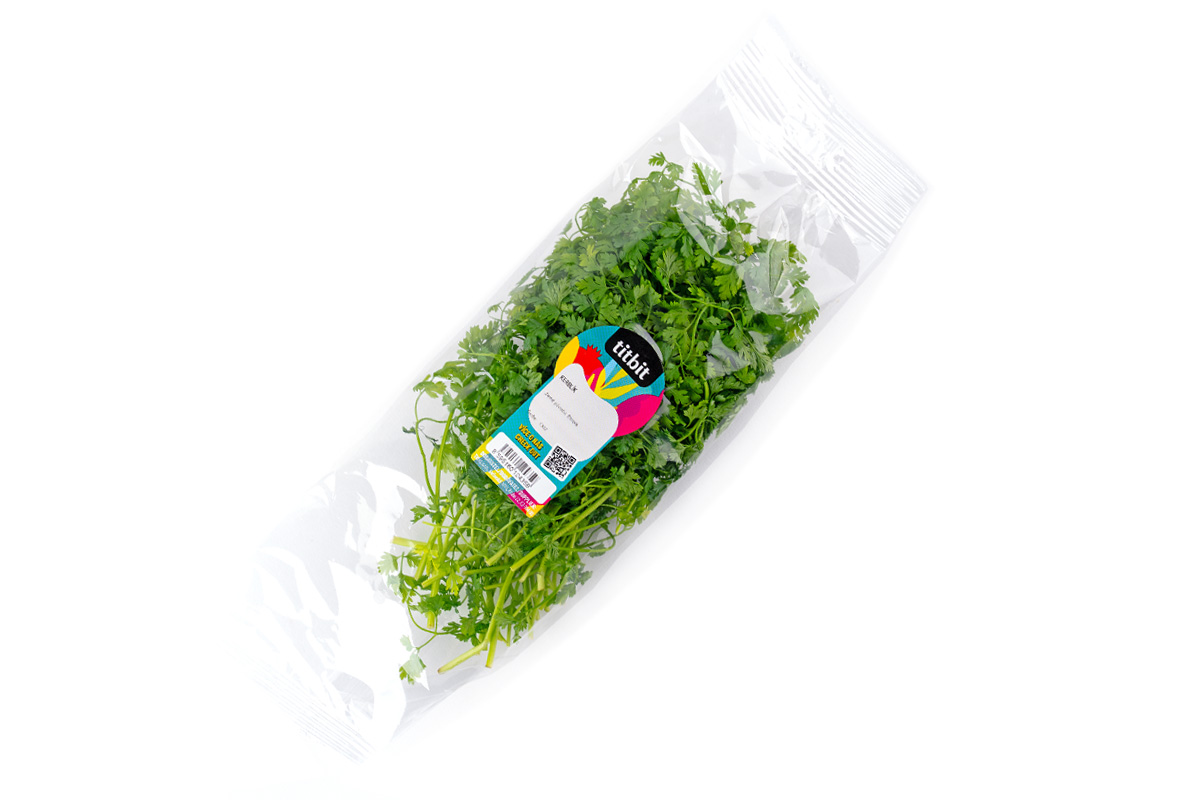
- Flowpack 30 g
- Flowpack 100 g
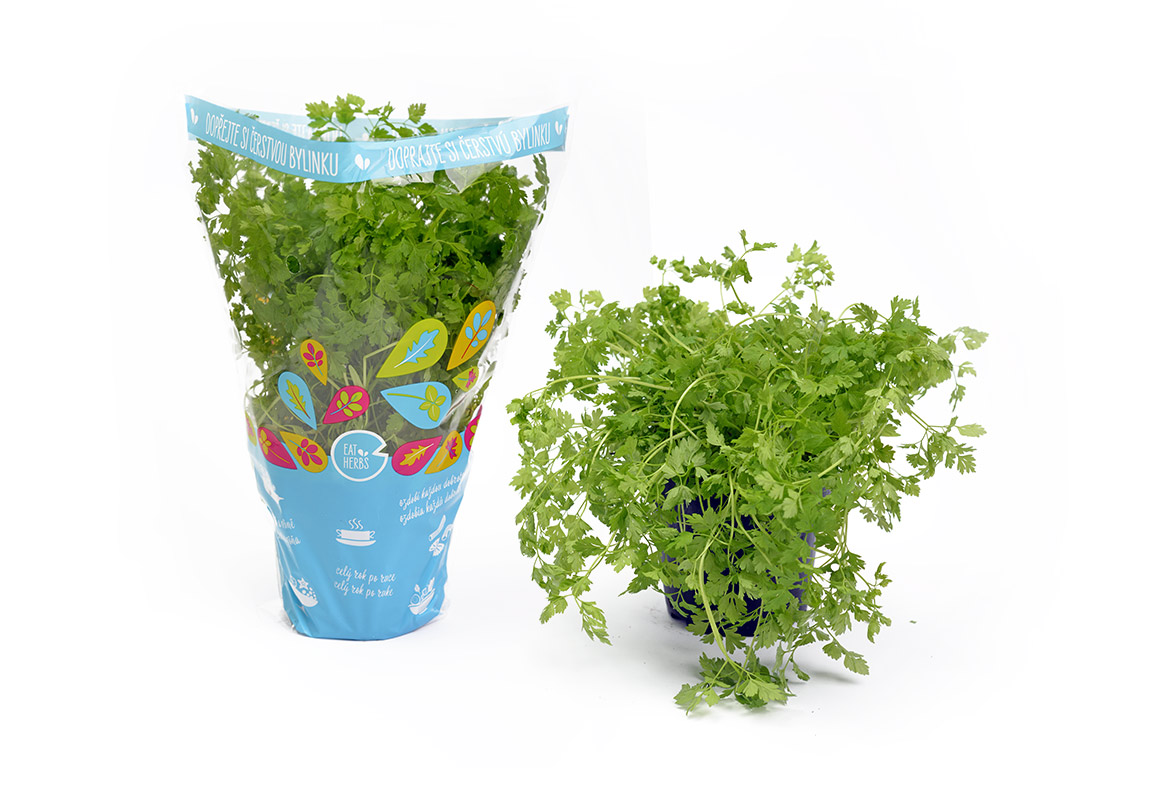
- Květináč 12 cm
Availability by month
- 1
- 2
- 3
- 4
- 5
- 6
- 7
- 8
- 9
- 10
- 11
- 12
Related products and ingredients


cooperation
Are you interested in our product line?
Would you like to know our prices, try some samples, or take a tour of our facility?
We supply restaurants and hotels
Orders 24 hours a day
- Delivery to most cities in the Czech Republic—call +420 608 217 567
You can recognize chervil by its light green leaves, usually two to three times. The leaves are soft green and soft to the touch. The flower, like other myrtle plants, is a white inconspicuous whorl. The plant grows about 50 cm, but only young low plants that contain a larger amount of essential oil are suitable for collection. Chervil is an annual plant, which makes it difficult to grow it for collecting leaves and stems as a spice. For both medicinal and culinary use, plants are usually harvested before flowering, and chervil as an annual plant starts flowering right in the year of sowing, very quickly. Chervil can be grown in two forms, the dark-leaved type does not bloom so quickly. If chervil is grown in the shade, its aroma is stronger.
The aroma of chervil is slightly anise or licorice and peppery. The taste is spicy sweet, reminiscent of parsley and hellebore.
Although it used to be very popular in our country, today we know chervil more from French and Italian cuisine. It can be used in vegetable soups, potato and vegetable salad, herb butter and egg omelettes. It is also suitable for delicate types of meat, fish and seafood. In Old Bohemian cuisine, it was also used in yeast cheesecakes. But it can also be stewed similarly to spinach or cabbage. You can use chervil leaves as a decoration similar to parsley.
Chervil, along with parsley, chives and tarragon, is part of the French herb blend ‘fines herbes’.
Storing chervil is very problematic, before storing it in the refrigerator, it is advisable to close it in a bag or wrap it in damp paper. However, despite all the care, it will stay fresh for only a few days. Although chervil is exceptionally dried, its delicate aroma is lost with drying and freezing, so the only possible use is fresh. To prevent the aroma from fading during cooking, it is added to the finished dish.
In addition to the leaves, chervil flowers and stems can also be consumed. Both can be added to vegetable salads.
The use of chervil in cooking and medicine dates back to ancient times, and it was the Romans who spread it almost throughout Europe. Evidence of the use of chervil in ancient Greece and Rome can be found, for example, in one of Aristochune’s comedies or in the notes of the Roman naturalist Pliny. Chervil decoction promotes metabolism and breathing and lowers blood pressure. The young leaves of this herb are a source of vitamin C and A, iron and magnesium. It is also traditionally served for overall regeneration after the end of the fast after Easter. Chervil leaf extract is used as a face mask to cleanse the skin, preserve its suppleness and prevent wrinkles.