Prickly Pear
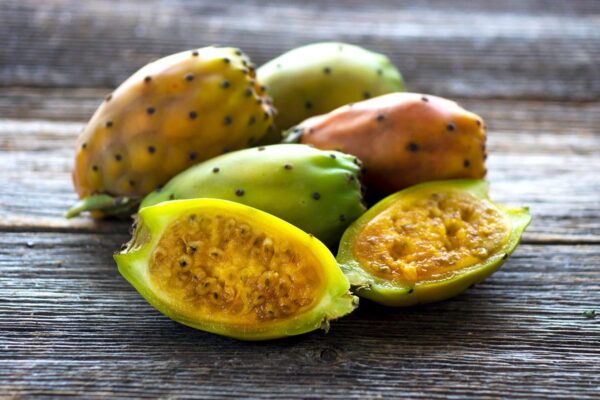
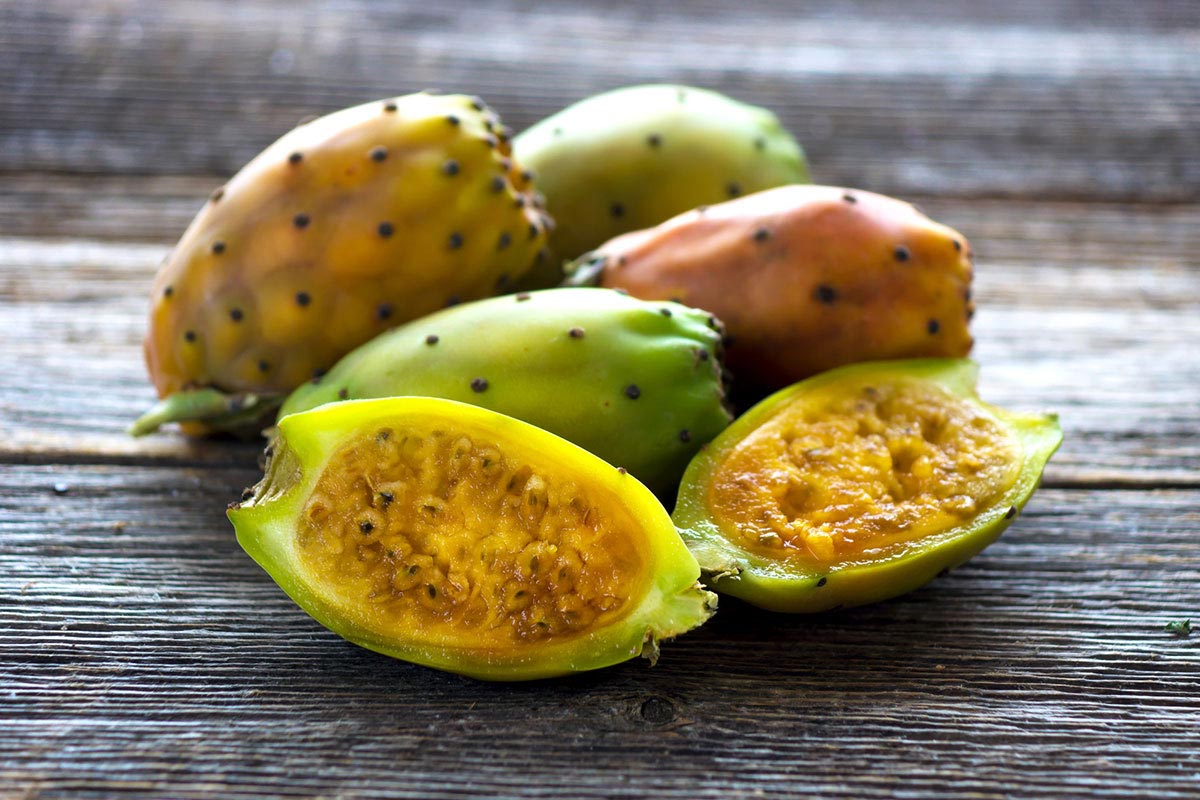
The skin of the oval fruits is yellow, orange, or reddish-purple.

Product line


Packaging
- Loose
Availability
Related products and ingredients

cooperation
Are you interested in our product line?
Would you like to know our prices, try some samples, or take a tour of our facility?
We supply restaurants and hotels
Orders 24 hours a day
- Delivery to most cities in the Czech Republic—call +420 608 217 567
The flesh is yellow, pink or red with black harder seeds.
The taste is similar to figs and pears, the flesh is eaten including the seeds. The fruits are 8-10 cm long berries with warty growths, usually equipped with small, barely visible thorns that can easily stick into the skin of the hands, lips or the mucous membrane of the tongue and throat when consumed, so it is necessary to “grind” it with the rough side of a dish sponge (which we then no longer use for other purposes) or a dry cloth and peel very carefully like a banana, both preferably with gloves. The fruits peel better after being soaked in water for several hours.
The fruits are most often eaten raw without the skin, but also cooked or in the form of juices; alcoholic or refreshing soft drinks; jams (melcocha, queso de tuna, miel de tuna); it is added to various confectionery, tea blends and is used to make a liquid sweetener.
Prickly pear contains compounds that make it difficult for the body to absorb fats. Native to tropical South America. It was also cultivated in Mexico millennia ago, where its fruits were an important staple food before grain was grown. Today, it is widespread in Australia and the Mediterranean, for example in French Provence or in Italy, around Lake Garda. Prickly pears form impenetrable shrubs and are therefore used as hedges. The seeds are used to make oil.