


Artichoke
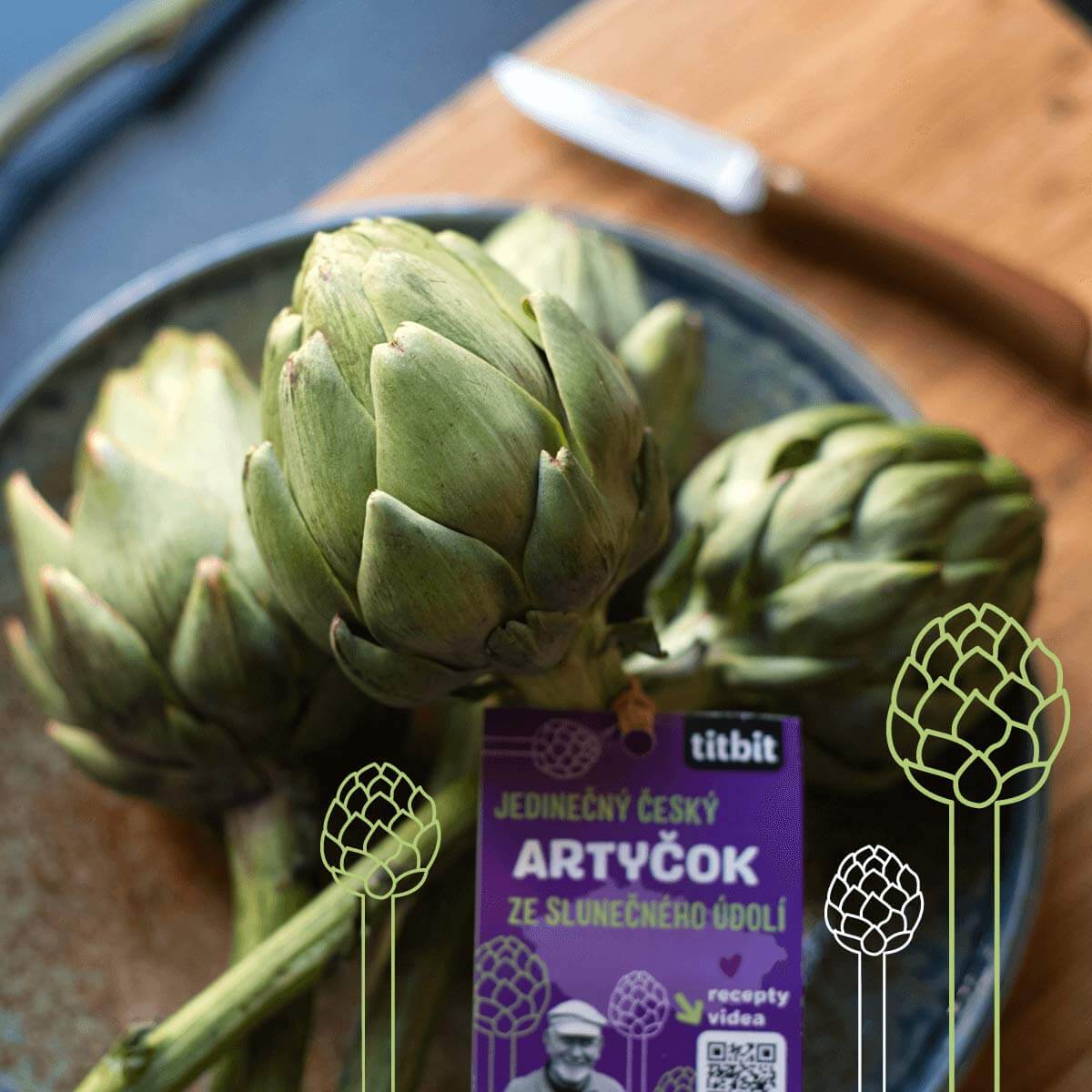
We’d like to introduce you to artichokes from South Moravia, grown by the only domestic producer—the Slunečné údolí farm.



Product line



Packaging
- Loose
Availability
cooperation
Are you interested in our product line?
Would you like to know our prices, try some samples, or take a tour of our facility?
We supply restaurants and hotels
Orders 24 hours a day
- Delivery to most cities in the Czech Republic—call +420 608 217 567
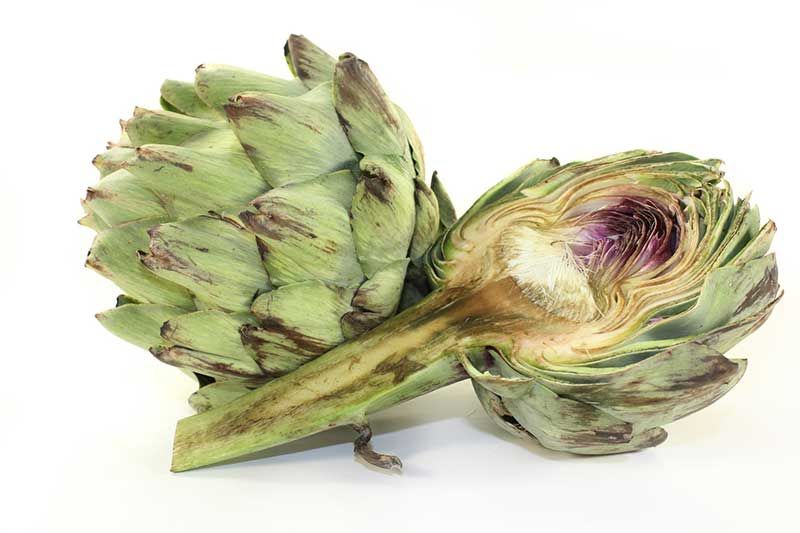
Artichokes are plants from the starfish family and are quite similar to our thistles. Marginally and only in some species, the leaves can also be consumed, but the main consumption part is the flower buds. The size of the artichoke is determined by the type of bud, the terminal buds (apex) grow to the largest size. Artichokes can be colored either green or purple. The shape of the artichoke is usually oval or slightly widened at the base to an ovoid shape. The petals of the bud should be close to each other, it should not be unfolded and the individual petals should be matte shiny, smooth and firm. They should not be blackened in any way.
And how do I get into that thistle? It will take a while, but with a little practice it will be a piece of cake next time. We recommend working with gloves, the artichoke dyes your hands.
Artichoke has also been widely used in medicine since the time of Aristotle. It is mainly used to treat digestive disorders, kidney and gallbladder diseases. It is also effective against senile diabetes and also has aphrodisiac effects. The active ingredient cynarin is isolated from artichoke leaves.
What to do with artichoke in the kitchen? You can just boil the artichoke with white wine and garlic and eat it with melted butter, mayonnaise or dip, grill, bake, or fry in oil. The biggest delicacy is the heart of the artichoke, hidden under the “beard” above the center.
Artichokes come from Africa, from where they were brought to southern Spain by the Moors, whose original name al’quarshuf evolved into the name of the artichoke. After that, the artichoke was cultivated and bred throughout the Mediterranean, so today about fifty varieties of it are known. At the beginning of their introduction to Europe, artichokes were, among other things, an ornamental plant.
In addition to its delicate taste, artichoke will offer you vitamins A, B, flavonoids, potassium, calcium, iron, tannin, inulin and other beneficial substances. It is low in sodium.