Common Sage
Product line


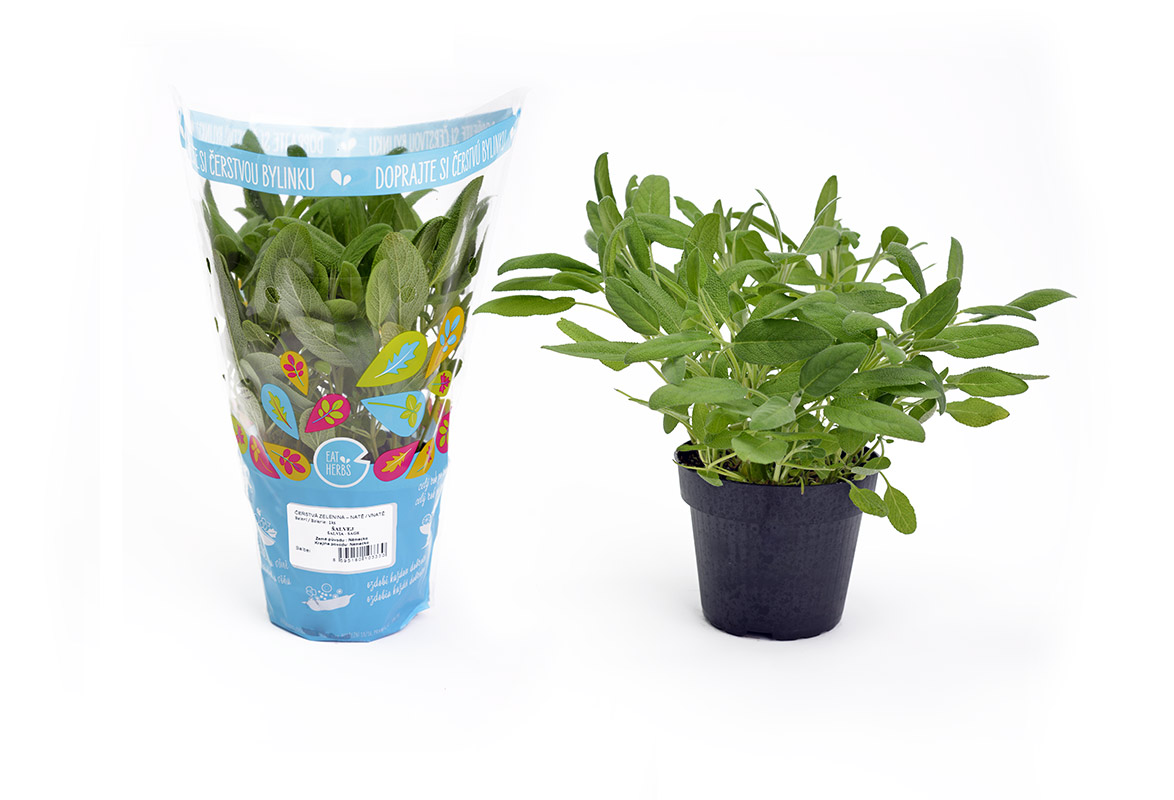
Packaging
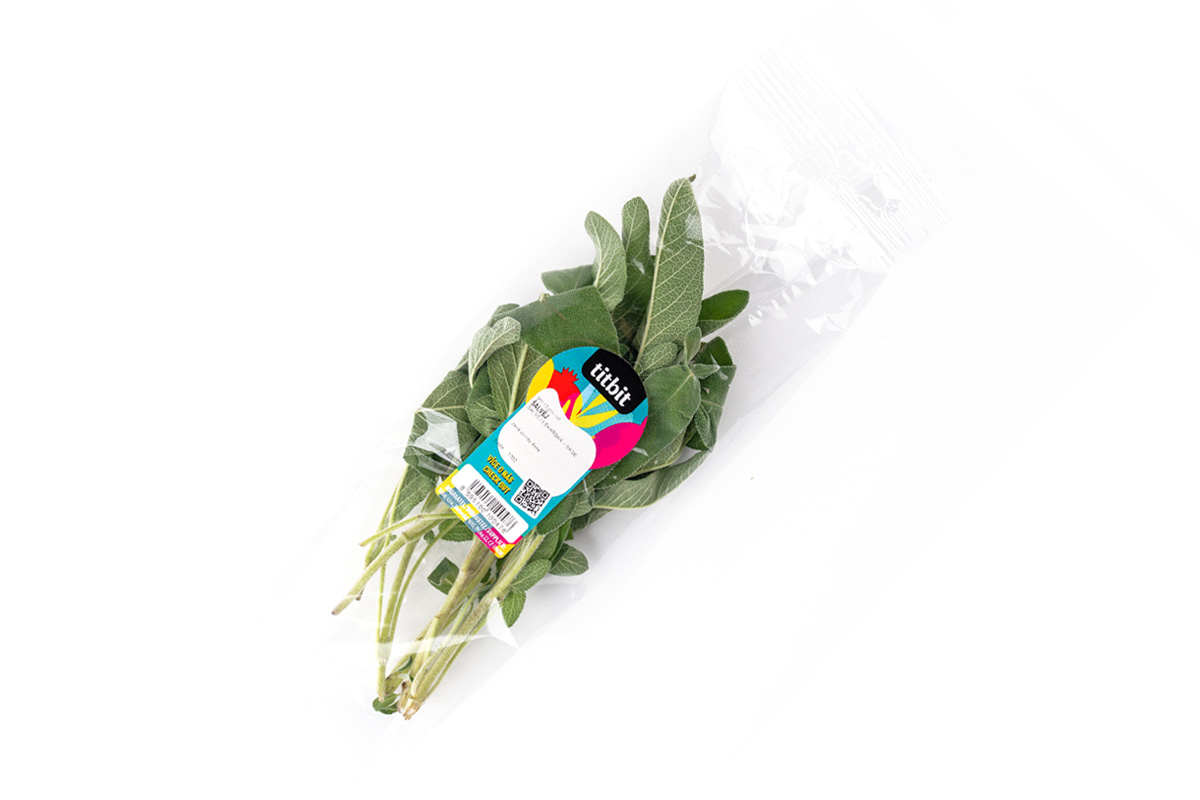
- Flowpack 30 g
- Flowpack 100 g
- Květináč 12 cm
Availability by month
- 1
- 2
- 3
- 4
- 5
- 6
- 7
- 8
- 9
- 10
- 11
- 12
cooperation
Are you interested in our product line?
Would you like to know our prices, try some samples, or take a tour of our facility?
We supply restaurants and hotels
Orders 24 hours a day
- Delivery to most cities in the Czech Republic—call +420 608 217 567
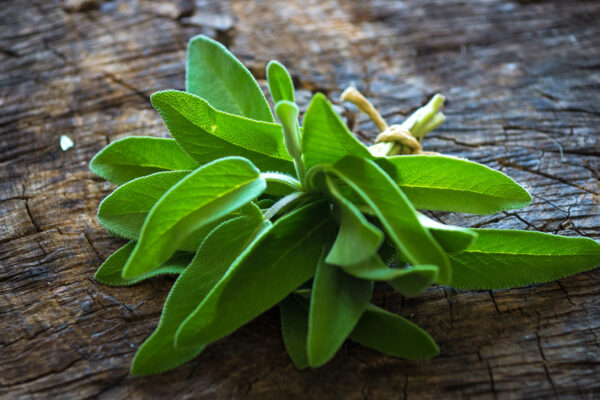
Sage belongs to the nightshade family. It is a perennial plant with woody stems, about half a meter high. Its leaves are characterized by a typical silvery-green color, are leathery, accommodating, with long petioles and grow up to 8 cm. Their shape is oblong-ovate and usually the leaves are finely serrated. Young leaves and stems are densely covered with fine hairs. The whole plant is delicate to the touch and the leaves are not too stiff. The inflorescences are formed by pink or white lip-shaped flowers, typical of the nightshade family, arranged in trapezoids. Sage usually blooms from May to July. The fruit is a hard flower with a fairly low germination rate.
The taste and aroma of sage is bitter, very distinctive and completely unmistakable. In too much concentration, it resembles mustiness, but to a small extent it is a pleasant variation of dishes.
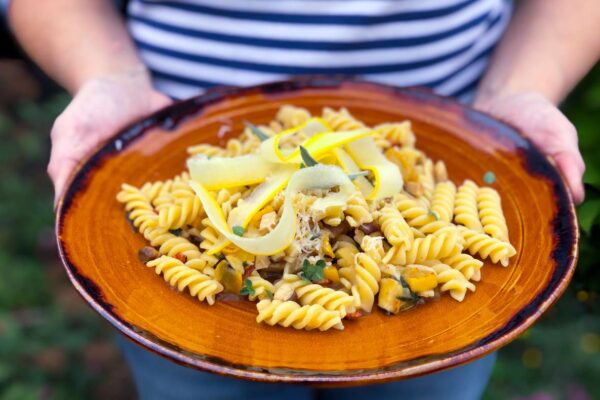
The use of sage is quite wide. It is especially suitable for flavorful meats such as venison, lamb, mutton, duck, goose, also for chopped meat, but also for fish, it is often combined with pike or eel, for example. Most spice mixtures for fish contain some percentage of sage. It is also suitable for stuffing and stewed vegetables. It can also be added to legumes, potatoes or sauces with a tomato base. Sage should be used in very moderate quantities so as not to overpower the taste of the dish. Unlike most fresh herbs, it can be added to food during cooking, because the distinctive sage aroma disappears only gradually at high temperatures. This is also why sage can also be used in marinades and baking. Sage is part of Provencal spices, but also other mixtures.
Fresh herbs can be stored in a plastic box or bag in the refrigerator for about 5 days. Later, the leaves quickly wither and dark spots form on them. However, sage can also be dried and frozen. It is also used to prepare oils and vinegars, which can be used, for example, in salads, to flavor soups, sauces or to drizzle oil over fried fish.
The homeland of sage is the Mediterranean. In our country, it began to be cultivated first in monastery gardens and later became a widely used herb both in the kitchen and in medicine. It is used, for example, for disinfection, helps with diarrhea and is part of mixtures for the treatment of some types of cancer. If swallowed in too large a dose, it can have an intoxicating or even toxic effect. In cosmetics, it is used, for example, to treat acne, it also has a beneficial effect on hair, and relieves the occurrence of dandruff. Furthermore, sage extracts are added to mouthwashes and toothpastes to relieve inflammation of the oral cavity and eliminate bad breath.
In the Middle Ages, sage was used by shamans and witches as an incense. But it is also an important beekeeping herb.