Black Root
Product line

Availability by month
- 1
- 2
- 3
- 4
- 5
- 6
- 7
- 8
- 9
- 10
- 11
- 12
cooperation
Are you interested in our product line?
Would you like to know our prices, try some samples, or take a tour of our facility?
We supply restaurants and hotels
Orders 24 hours a day
- Delivery to most cities in the Czech Republic—call +420 608 217 567
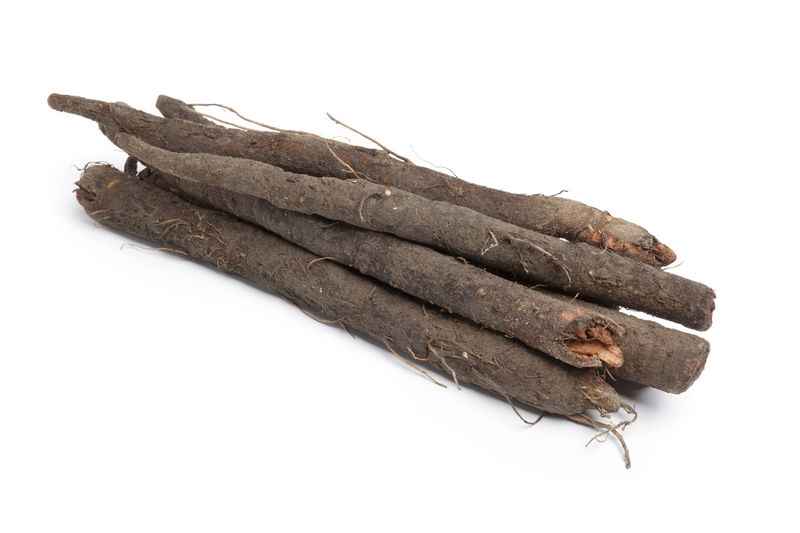
This vegetable is similar in appearance to horseradish and tastes like parsnips. It grows up to 40 cm in length and is up to 4 cm in diameter. As with other root vegetables, its main season is from autumn to spring. Its pulp is white, when you cut or disturb it, a thick white juice begins to ooze from it.
The black root is eaten raw in salads, spreads, or you can prepare it similarly to asparagus. It is au gratin, stewed or fried. It will add an interesting taste to soups in combination with root and spring vegetables.
If the root is too sticky after peeling, scald it with boiling water or use gloves. If you have leafy shoots, treat them similarly to spinach.
Black root contains large amounts of water, carbohydrates, fiber, protein, fat, and inulin, which is suitable for people with diabetes. It is a source of vitamins A, B1, B2, C, and E. In terms of minerals, it contains potassium, phosphorus, magnesium, calcium, and iron. It contains allantoin, which promotes wound healing, aids digestion, and supports the function of the endocrine glands. It has a very low caloric content, making it an excellent addition to a diet plan, while also stimulating the appetite.
It is also used to restore processes in the digestive system, for example, after intestinal flu. It also helps with gout, rheumatic diseases and has a positive effect on the nervous system as a sedative.
Black root began to be cultivated and used in gastronomy in southern Europe and the Middle East in the 16th century. At that time, people believed that if they put it in the mouth of a snake, it would die. It was also used to treat bubonic plague.