


Lemon Balm

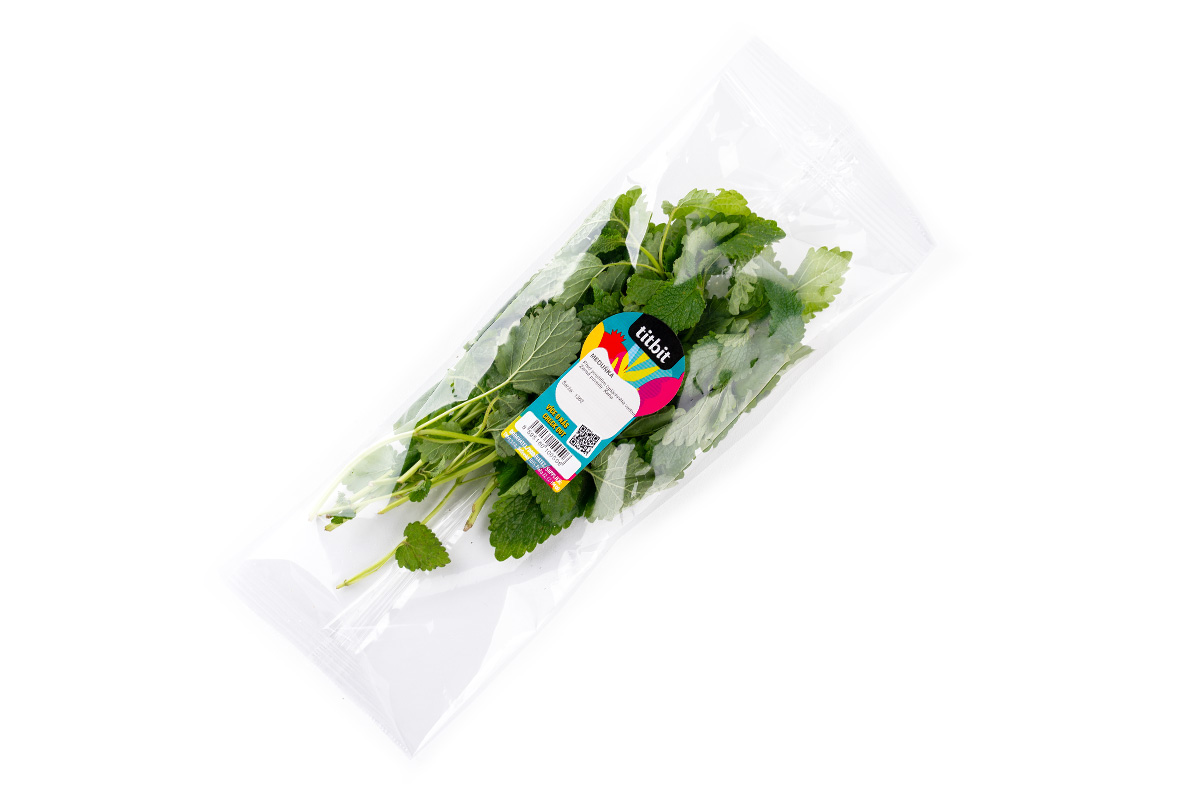
Product line


Packaging
- Flowpack 30 g
- Flowpack 100 g
- Květináč 12 cm
Availability by month
- 1
- 2
- 3
- 4
- 5
- 6
- 7
- 8
- 9
- 10
- 11
- 12
cooperation
Are you interested in our product line?
Would you like to know our prices, try some samples, or take a tour of our facility?
We supply restaurants and hotels
Orders 24 hours a day
- Delivery to most cities in the Czech Republic—call +420 608 217 567
Lemon balm is one of the culinarily important representatives of the nightshade family. It is a perennial herb forming dense tufts. Its stems are rectangular, grow to a length of about 80 cm and may be slightly reddish at the base. Lemon balm can be recognized by its light green leaves of an elongated ovoid shape with serrated edges. The leaves are sparsely covered with fine hairs. In addition to the usual green-leaved forms, it is also possible to grow variegated lemon balm, i.e. with white-brindle leaves. There is a very clear veining on all forms of the leaf. The flowers, which form trapezoids in the axils of the petioles, can have a wide range of colors from white, through light yellow, pale pink to light blue. The flowers are lipped, i.e. similar to the flowers of the nightshade, but smaller and inconspicuous. Lemon balm blooms in our country from June to the end of August. The fruit of lemon balm is a shiny brown hard with a whitish tip.
Lemon balm thrives well even in our somewhat harsher conditions and can be sown directly in the flower bed for cultivation in the garden, at the beginning of May. Lemon balm is, among other things, an important melliferous herb.
The taste and aroma of lemon balm is distinctly lemony.
Lemon balm has its place in salads, fish sauces, mayonnaise, sauerkraut. It can also be added, for example, to marinated fish, poultry, pork and a wide variety of vegetable dishes. But in addition to savory dishes, it can also be successfully used in sweet dishes and desserts, fruit salads, jellies, creams and fruit drinks.
In combination with tarragon, you can prepare a delicious herb vinegar. With a little olive oil, garlic and chopped lemon balm leaves, you can prepare a great citrus-scented pesto, to which you can add any other ingredient, such as chopped nuts, sunflower seeds, sesame or other fragrant herbs. Fresh lemon balm is also excellent in any jam, which will add a fresh aroma and enrich your daily breakfast. But it is also great for whipped cream for fruit desserts.
In addition to keeping it fresh in the refrigerator, lemon balm can also be dried. However, it is necessary to speed up drying as much as possible, because it turns brown when dried slowly.
According to medieval writings, the administration of lemon balm tea strengthens the brain and refreshes a flabby figure. According to them, drinking this decoction every day is a recipe for longevity. Furthermore, this herb was valued for its ability to dispel a melancholic mood. Lemon balm is also one of the essential components of Carmelite drops, which are used for nausea and to refresh the body. It also helps with bronchitis, colds and mental strain. Fresh leaves are applied to insect bites and ulcers. In cosmetics, an infusion of the leaves of this plant is used to steam the face and to wash oily hair. The pleasant citrus scent is used in the so-called ‘potpourri’ – dried herbs and other plant materials sprinkled on small bowls to scent the interior.
