Bay leaf – common laurel
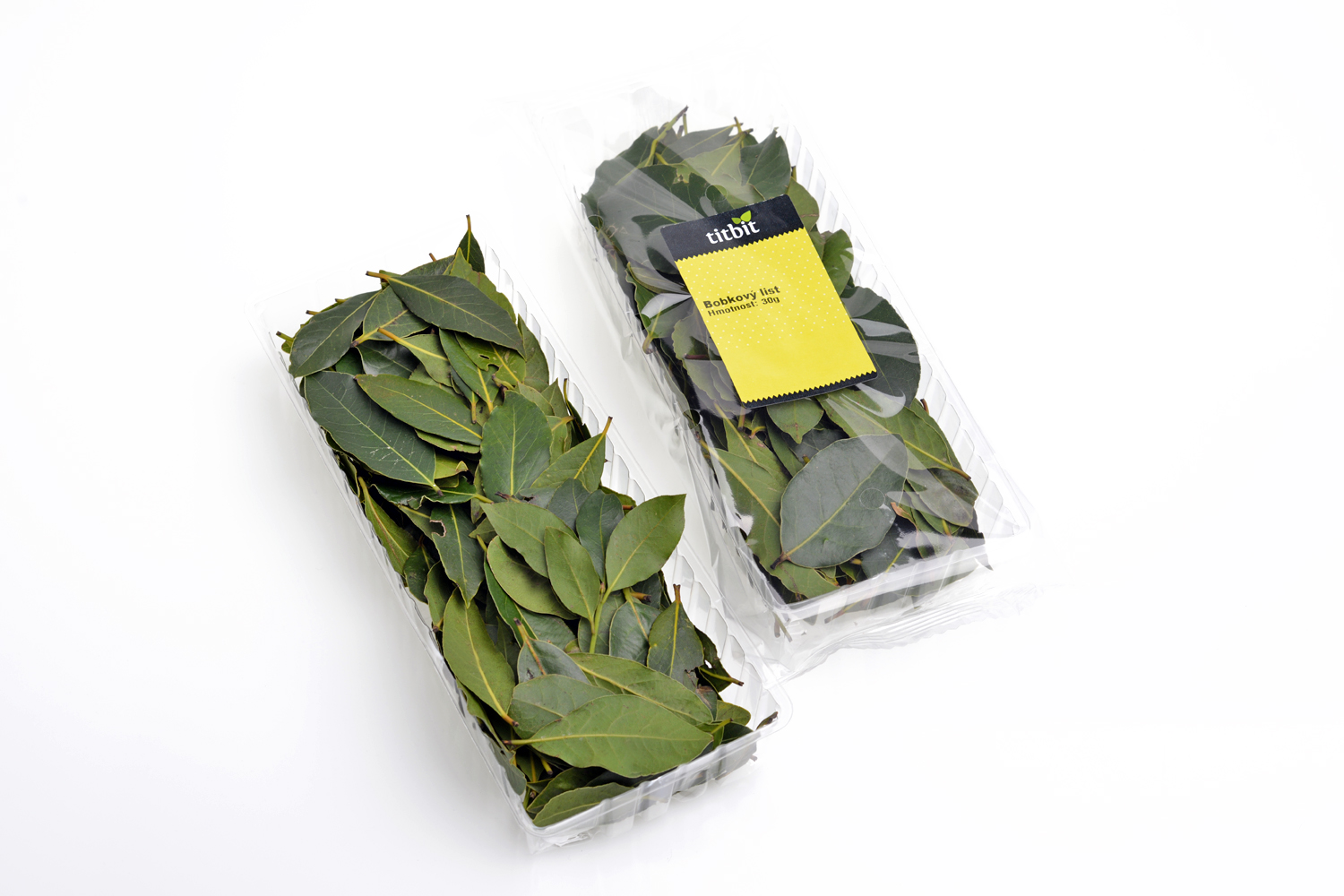

Product line

Packaging
- Flowpack
Availability by month
- 1
- 2
- 3
- 4
- 5
- 6
- 7
- 8
- 9
- 10
- 11
- 12
cooperation
Are you interested in our product line?
Would you like to know our prices, try some samples, or take a tour of our facility?
We supply restaurants and hotels
Orders 24 hours a day
- Delivery to most cities in the Czech Republic—call +420 608 217 567
Bay leaf are laurel leaves of a noble, evergreen tree growing about 7 m. Its branches are rounded, dark purplish brown when young, older shoots turn gray. The leaves are stiff, leathery, lanceolate, narrowly pointed with strong petioles. Their color is deep green on the obverse, olive on the reverse. Veining is very visible on both sides of the leaf. However, green-leaved varieties are not the only cultivated form of laurel. There is also a golden-leaved variety (‘Aurea’), whose shoots are even slightly more resistant than young leaves of the native form, and the golden-leaved tree grows better when frozen. Laurel flowers are inconspicuous, white or light yellow in color with four petals. The fruits are dark purple to black. The aroma of bay leaf is considerably stronger than its taste, which is pungent and bitter. After drying, the aroma changes to a rather herbal and slightly floral one.
In addition to laurel, several other plants with similar leaves but different aromas and flavors are considered bay leaf.
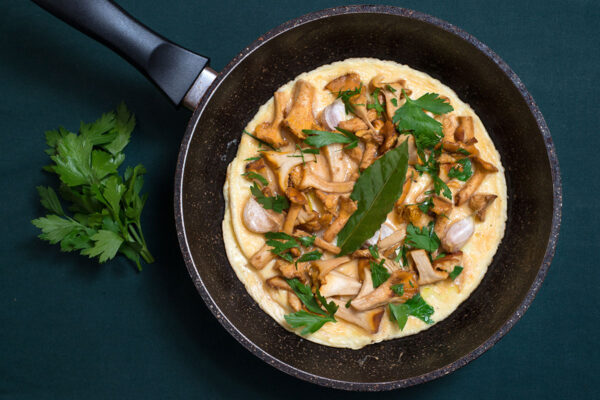
Bay leaf is mainly used in cream sauces, broths, aromatic soups, suitable for sour dishes, pickling mushrooms, vegetables, but also meat. It is added to roasts and is also suitable for various marinades. Its delicate aroma enriches the taste of rice and sea fish. It is also excellent for seasoning vinegar and oil. Bay leaf has no place only in savory dishes. Although it is a rather unconventional matter for our people, we can also find it in recipes for desserts and sweet dishes. It can be used to prepare syrup, which is used, for example, for pancakes, similar to maple syrup. Bay leaf can be used both whole and ground, and is usually added to dishes during cooking. In our country, it is rather dried, which, however, does not have nearly as strong an aroma as fresh.
Bay leaf is also part of ‘bouquet garni’ and curry spices, among other things.
In the past, laurel fruits were also used as a spice, which later gave bay leaf its Czech name.
The laurel tree was dedicated to Apollo, the Greek god of divination and poetry. Its association with divination had its justification, because in larger doses its leaves have a slightly narcotic effect and can therefore induce trance. The roof of the Temple of Apollo in Delphi was made only of laurel leaves to protect against witchcraft and disease. Later, the laurel wreath became a symbol of perfection and poets and athletes were crowned with it. From the Latin phrase ‘laurea coronati’, or to crown with laurel, today’s term laureate originated. Laurel was also dedicated to Apollo’s son Aesculapius, the god of medicine, and was mainly used as a prevention against the plague. Laurel oil is part of many perfumes and is used to make laurel rum.