


Rhubarb
Availability
cooperation
Are you interested in our product line?
Would you like to know our prices, try some samples, or take a tour of our facility?
We supply restaurants and hotels
Orders 24 hours a day
- Delivery to most cities in the Czech Republic—call +420 608 217 567
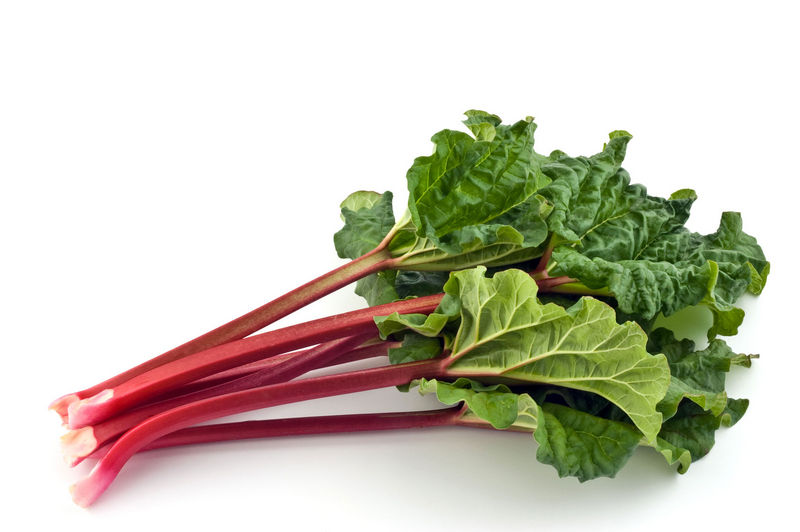
From Tibet, rhubarb came to the Volga basin (which was then called Rha) and from there pilgrims called barbaros brought it to Europe - after them it is said to have received its Latin name. At the beginning of the 19th century, rhubarb became popular with the English and then the Americans. They put pieces of rhubarb on spicy cakes. The Italians began to produce the rhubarb aperitif Rhubarb. The Germans then began to cook rhubarb jams (with an admixture of ginger and raspberries) called Holsteiner Blut (Holstein Blood). In our climatic conditions, rhubarb is harvested from April to mid-June and thrives best in orchards in the shade of trees. "A large part of rhubarb is imported to the Czech Republic from Germany. " If the customer requires it as early as March, for example, it is possible to transport rhubarb from the Netherlands. However, they will pay significantly more here, as its price is around CZK 200/kg," describes Marek Řondík from Titbit.
In our country, rhubarb is mainly prepared sweet, so in addition to traditional cakes and buns, there are also recipes for jelly or buns. As for typical rhubarb recipes from other countries, in Great Britain, for example, it is used to prepare a traditional sweet cake called crumble. This sweet delicacy was created during World War II, when flour and other ingredients were rationed and there was not enough of them to prepare the dough. So the fruit was just sprinkled with crumble and baked. To this day, this cake is also prepared from apples, blackberries or peaches. However, you can also find recipes for rhubarb risotto or salty preparations of this vegetable and subsequent use as a side dish for roasted meat.
Rhubarb is rich in B vitamins, especially B3 or niacin. Thanks to it, the body uses energy, it also controls blood sugar levels and helps lower cholesterol levels. Last but not least, it also strengthens the overall vitality and defenses of the body. It also contains folic acid, which is important for blood formation and the proper functioning of the nervous system. It also contains pantothenic acid, which is important for healthy skin and hair. Thanks to the potassium content, the consumption of rhubarb promotes the excretion of water from the body. It is rich in magnesium, manganese and calcium. It is a rich source of fiber, which cleanses the body of harmful substances and eliminates constipation. It also helps in the fight against excess weight, as it binds fats.
The sour taste of rhubarb is caused by the high amount of oxalic acid – oxalic acid and its oxalate salts, which are toxic to the body in larger quantities. Most acid is contained in their leaves – they must therefore not be eaten at all. The later you pick rhubarb in spring or summer, the more it contains. When processing rhubarb in the kitchen, it is recommended to heat the rhubarb stems sufficiently to reduce the content of the aforementioned acid. When eating fruits with a larger amount of oxalanes, side effects occur in the body and, above all, the ionic balance of calcium is disturbed. In addition, calcium is pumped out of the body and other kidney function disorders can occur. People who suffer from kidney problems or have bladder problems should therefore not eat much of it. People with damaged kidneys or prone to kidney stones should not eat rhubarb at all.
Some dentists also warn against excessive consumption of rhinestones, as it can have adverse effects on the teeth. However, this applies especially to raw petioles. It can also be harmful to patients with gallstones.