


Baby Swiss chard
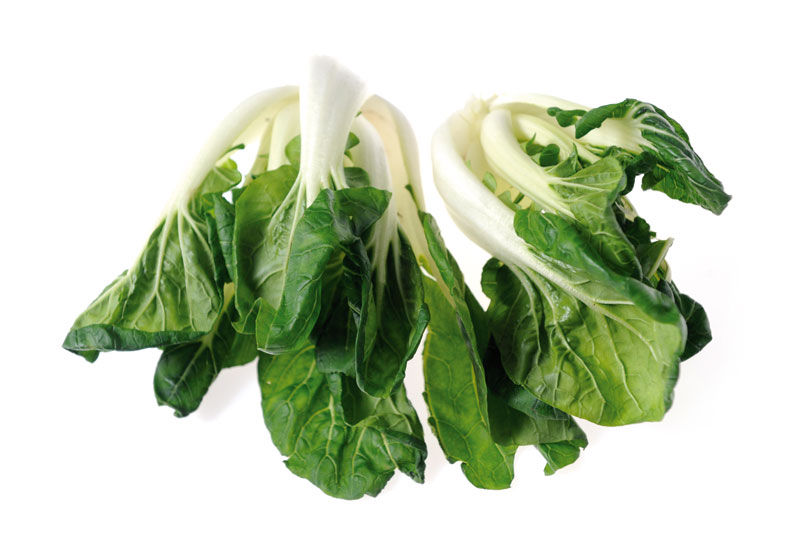
Mini Swiss chard is a very small and tender variety of Swiss chard.
Product line
Availability
Related products and ingredients

cooperation
Are you interested in our product line?
Would you like to know our prices, try some samples, or take a tour of our facility?
We supply restaurants and hotels
Orders 24 hours a day
- Delivery to most cities in the Czech Republic—call +420 608 217 567
Although it is a close relative of sugar beet lettuce, it is more similar to spinach and, like spinach, is also prepared. The edible part of chard is its leaves and petioles. The leaf blades are light green and the color of the petiole is whitish or red. Chard does not form closed heads.
Fresh chard has firm petioles and fresh, fragile leaves. It must not be too soft, wilted. It is stored in the refrigerator, but it does not last too long stored.
From chard, we process its sweet leaves with a weak beet flavor and petioles, which are peeled and prepared similarly to asparagus.
Chard can be eaten raw as part of salads or cooked. It tastes great with fish and lamb or in Mediterranean vegetables. Small leaves are also added to soups, sauces, savory strudels, cakes or pancakes. The combination of chard with various types of cheese is very tasty, and often chard leaves are baked with cheese. They can also be used for various rolls and rolls with stuffing. It can often be found in Indian or Chinese dishes. Indian highlanders most often prepare chard leaves for curry. Flavored in this way, it is eaten alone or as a side dish with rice and legumes.
Chard is a plant native to China, known since ancient times. Today it is widely distributed in Europe and North America. It contains vitamin K, E, C, provitamin A, iron, beta-carotene, folic acid, magnesium and calcium. It is very well digestible and light.