A Slightly Unpredictable Chili
⏱️ Reading time: 4 min
Has this ever happened to you: you bought some chili peppers and naturally expected them to be spicy, but they weren’t? It probably caught you off guard, but with some chili varieties, this is actually quite common. Even peppers from the same plant can vary quite a bit in spiciness. Among the varieties that face this problem are mainly the popular cayenne, padrón, and jalapeño peppers.

So what’s the deal with that spiciness?
Chili peppers contain capsaicin, a plant alkaloid that gives them their spicy flavor. Its concentration—and thus the level of spiciness—is measured using the Scoville Heat Unit (SHU) scale.
The measurement is based on a solution made from peppers, sugar, and water, which is then diluted with water until the heat disappears. Sweet peppers have a heat level of 0, whereas cayenne peppers range from 30,000 to 50,000 SHU. This means that the solution must be diluted at least 30,000 times before it is no longer spicy at all. Today, heat is measured using instruments that are more accurate.
The heat level also depends on growing conditions; it can be influenced by temperature, humidity, or air quality.

Cayenne pepper
Cayenne peppers are known for their varying levels of heat. This pepper is probably the most common variety you’ll come across. The fruit is about 10 cm long with a diameter of 2 cm and can be either red or green in color. The heat level of cayenne peppers ranges from 30,000 to 50,000 SHU. However, sometimes they aren’t spicy at all. This phenomenon cannot be influenced in any way. Even peppers from the same plant can vary in heat.
Cayenne peppers are great for pickling—try adding them to pickled cucumbers or other vegetables. They’ll also give your soups and sauces just the right kick, even when they aren’t spicy, because they retain their distinctive flavor.
During the winter season (October–February), we source peppers from Israel, which have a more consistent level of heat. During the summer, we have to source them from Spain or the Netherlands. These peppers tend to vary in heat level. We do not have a heat level guarantee from growers or suppliers precisely because this is a common issue with this type of pepper.

Padrón Peppers
Want to play a game of culinary roulette? Then you should definitely try Pimientos de Pedrón peppers, which come from southwestern Galicia. They’ve been grown since the 16th century in the village of Padronian Herbón. What makes them special is the element of surprise; most peppers are mildly hot at around 5,000 SHU, but some can be moderately hot (50,000 to 100,000 SHU). Even peppers from the same plant can vary in heat.
The fruits are green and grow to a size of 5 to 10 cm. In the kitchen, they are traditionally served simply sautéed in olive oil with sea salt and lemon juice.

Jalapeños
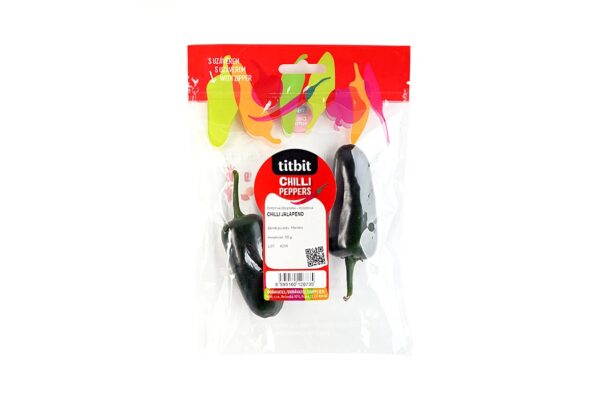
Jalapeños originate from Mexico and are very popular throughout the Americas. They grow to a size of 5 to 9 cm, are most often red or green with a smooth surface, and their heat level ranges between 2,500 and 6,000 SHU. The catch is that, much like Padrón peppers, they can reach heat levels far higher than 6,000 SHU, which might come as an unpleasant surprise if you’re not exactly a chili enthusiast.
Ripe peppers are used to make the popular chipotle, a process in which the seeds are removed and the peppers are smoked. Other seasonings are then made from chipotle. Chili peppers also serve as a spice, even when they aren’t hot. In Mexico and other countries, they are added to dishes, giving them a distinctive spicy flavor.
During the winter season, we import peppers from Israel, as well as cayenne peppers, and during the summer season, we import them from the Netherlands. The peppers from Spain did not work out for us, as they did not meet the required quality standards—their skin was not smooth, and they tended to crack.
A Safe Bet

If you’re looking for a chili pepper that’s guaranteed to pack a punch every time, try a rawit or a habanero.
Rawit is one of the hotter varieties, reaching 100,000–225,000 SHU on the Scoville scale. Rawit peppers can range in color from green to orange or red. The fruit’s surface is smooth and elongated. They grow to a size of about 2–3 cm, and the ripening period is approximately 70 days.

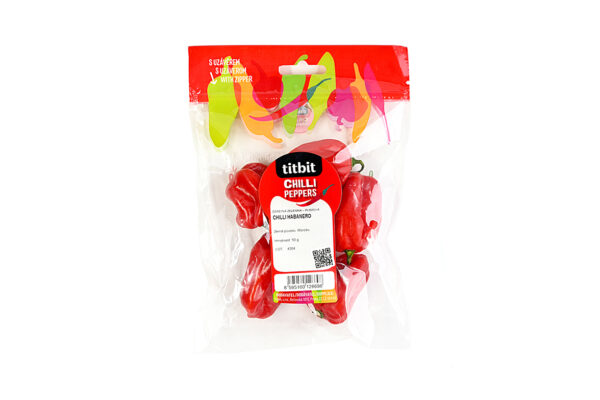
The Habanero variety originates from Cuba, from which its name is also derived (La Habana). From Cuba, the pepper spread to the Yucatán region, Costa Rica, and Belize. It grows to a size of 2 to 6 cm. The Habanero is one of the hottest varieties, with a heat level ranging from about 200,000 to 350,000 SHU. Unripe peppers are green, but as they ripen, they turn red, orange, or yellow.
Recipes (11)

Guacamole with Bacon and Feta

Guacamole with Roasted Tomatoes

Guacamole with Pineapple

Guacamole with Mango

Guacamole

Asian-Style Bruschetta (Vegan)

Curry Soup with Fresh Turmeric and Cilantro

Punjabi-Style Chicken with Coriander (Dhania Murgh)

Thai Salad with Shrimp and Pomelo

Caribbean-Style Cassava with Black Beans