Parsley and Mint
⏱️ Reading time: 3 min
Parsley isn’t just a pretty garnish on a plate. Thanks to its combination of unique nutrients, it’s also incredibly beneficial to your health. It contains large amounts of essential oils and flavonoids, and it also has a higher vitamin C content than oranges. Its high content of antioxidants and chlorophyll makes it, in a way, a superfood.

Did you know?
Parsley is native to the Mediterranean. The name comes from the Greek word *petros* —meaning “rock” or “stone.” The Greeks used it to describe brave and steadfast people. Parsley is also said to have aphrodisiac effects. The list of its medicinal benefits is truly extensive. Among other things, it improves the quality of the skin and hair.
An infusion made from parsley leaves is used as a refreshing hair conditioner. It can also be used to lighten freckles or as a tonic for dry skin.
Cultivation
Parsley is a biennial plant. Germinating the seeds can be difficult, so it’s better to plant parsley purchased in a pot, or to leave it in the pot and grow it year-round. It is easy to grow and requires only a sunny or partially shaded spot. It is not a good idea to grow it near brassicas. On the other hand, roses make good neighbors; parsley intensifies their fragrance and promotes their growth.
Uses in the Kitchen
Parsley goes wonderfully with fish and other meat dishes. Both fresh and dried parsley can be used. Chopped fresh leaves are added to soups, salads, and sauces, or used as a garnish for side dishes. In Italian cuisine, gremolata is a very popular seasoning that includes parsley, lemon zest, and garlic. French chefs often combine parsley with tarragon, chives, and chervil.
Fresh parsley lasts quite a long time in the refrigerator. If you want to keep some parsley on hand, you can also freeze or dry it.
Mint
Mint has become a very popular herb, especially in the summer, when you can add it to lemonades, sorbets, or mixed drinks. It is estimated that there are as many as 40 different species. The most common varieties are peppermint and spearmint. In colloquial terms, it is also known as pepper mint, balsam, or wind spice. England is considered its native habitat, but today it is widespread throughout the world.
Did you know?
Peppermint contains about 2% essential oils, mainly menthol and menthone. It also contains substances such as magnesium, tannins, flavonoids, and acetic acid. It has strong antioxidant effects. It can also soothe the stomach and aid digestion. It is also helpful for insomnia, stress, and headaches or migraines. In addition, it is a natural aphrodisiac. If you’re suffering from a toothache, prepare a mint decoction and rinse your mouth with it.
Mint in the Kitchen
Mint is a very aromatic herb with a refreshing, crisp flavor. It can be used in lemonades, mixed drinks, and even in the well-known mojito. It’s especially popular in French, English, Italian, and Arabic cuisine. You can also use it to make unusual meat marinades or add it to stuffing or meatloaf.
You can also combine mint with other herbs. It pairs well with tarragon, lovage, savory, or basil.
Recipes (11)
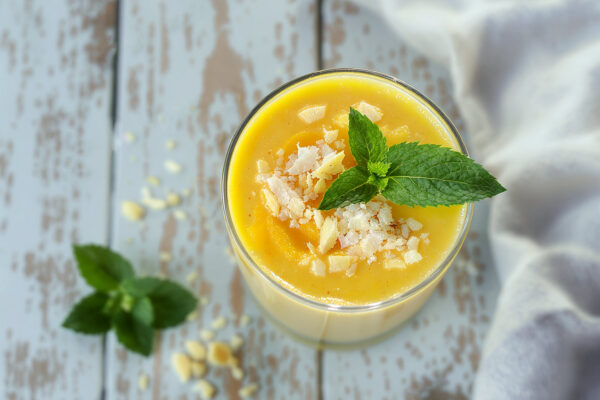
Mango Lassi

Asian-style pork belly, fresh asparagus salad, roasted bell peppers, and wild garlic

Thai Basil Pesto (Vegan)

Roasted Cauliflower with Peanuts, Pak Choi, and a Fig Vinaigrette

Couscous and Shrimp Salad

Foie gras foam, black salsify cream, fried black salsify in wine batter

Malaysian Coconut Laksa with Pak Choi
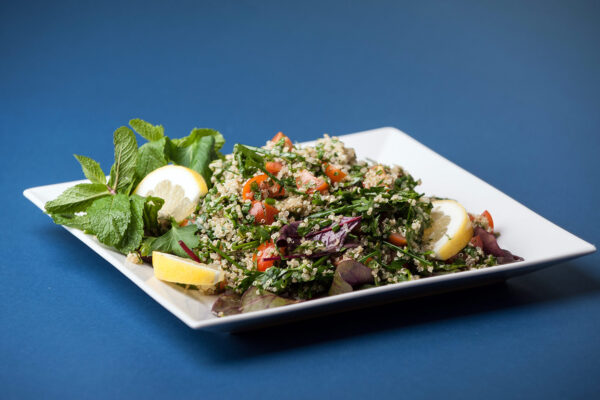
Chef Sofia Smith’s Quinoa Tabbouleh

Thai Salad with Shrimp and Pomelo

Summer Spring Rolls with Mango and Shrimp