


Cilantro in Gastronomy
⏱️ Reading time: 3 min
Cilantro is an herb that is still relatively overlooked in our country and is not yet as widespread as, for example, parsley, dill, or fennel. You may be familiar with it mainly from Asian or Mexican cuisine, where it is used extensively. Traces of cilantro have been found in Israeli caves, dating back to 6,000 B.C. Interestingly, it is sometimes nicknamed “Chinese parsley.”

Origin and Cultivation
Cilantro is an annual plant in the Apiaceae family. At first glance, it may resemble flat-leaf parsley, but a quick sniff will tell you it’s not parsley. It can grow up to 1 m tall, is a fresh green color, and its flowers form small white or pinkish umbels. The fruit of coriander is a round, brownish-yellow schizocarp.
Growing cilantro isn’t difficult at all. It just needs plenty of light, and since you’ll only be using the leaves, you can even grow it in a pot on your windowsill. If you want to harvest more seeds, it’s best to plant it in a garden bed.
Cilantro and Its Health Benefits
Every part of the coriander plant can be used, from the root to the leaves. The root has a more pronounced flavor and stronger effects. Cilantro is especially beneficial for people who have digestive problems. It has anti-inflammatory properties, aids digestion, and helps relieve bloating. It also has soothing effects and is mainly used in ointments for joints.
It is also highly recommended for liver cleansing regimens or to relieve coughs. Overall, it is a useful aid for boosting immunity. As for vitamins, it contains mainly B vitamins, as well as vitamins A and C. Only people with blood clotting disorders should exercise caution when consuming cilantro, as it contains coumarin, which inhibits blood clotting.
Cilantro in the Kitchen
The taste and aroma of cilantro are reminiscent of orange blossoms with a hint of sage. It is pleasantly aromatic and has a slightly sweet scent. The entire plant can be used. The seeds are often used in the brine when canning or as part of spice blends, such as gingerbread or curry spice mixes.
“Cilantro is an herb that many people either love or hate. When I first tried it in Venezuela, I was among the latter, but today it’s one of my favorites. This is mainly thanks to Asian cuisine, where, in my opinion, it’s used more effectively to balance the flavors of a dish. In Venezuela, they chopped cilantro—just like parsley—and sprinkled it on everything from meat to rice to potatoes. And partly because of that, I wasn’t very fond of this distinctive herb back then,” says Vojtěch Havránek of Titbit, the first company to begin growing and importing fresh herbs to the Czech market.
A typical—and quite versatile—way to use it is in a salsa made with tomatoes, chili peppers, red onion, lime juice, and chopped cilantro leaves. This salsa goes great with most kinds of meat.
Recipes (15)

Guacamole with Pineapple

Guacamole

Asian-style pork belly, fresh asparagus salad, roasted bell peppers, and wild garlic

Avocado Toast with Sautéed Shredded Oyster Mushrooms

Teriyaki Venison Leg, Soba Noodles, Mango, and Cashews

Curry Soup with Fresh Turmeric and Cilantro
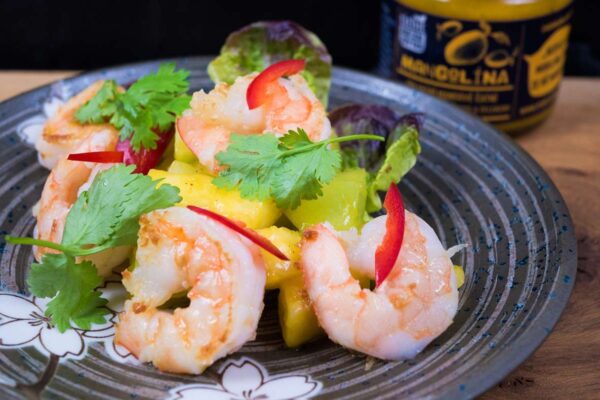
Salad with Shrimp and Fruit

Couscous and Shrimp Salad

Rabbit, Sort Of
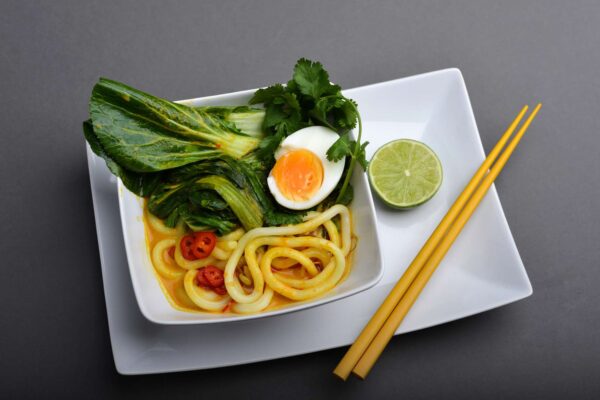
Malaysian Coconut Laksa with Pak Choi

Punjabi-Style Chicken with Coriander (Dhania Murgh)
